
How to Choose Office Furniture
Office furniture industry representatives state that the path to a good office is through ergonomic, useful and healthy furniture selection, and emphasize that every professional group should choose furniture that suits their job.
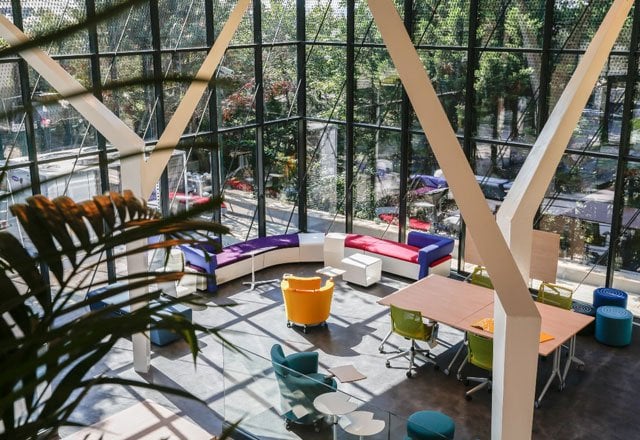
Creating a comfortable and stylish work environment is crucial in offices where people spend nearly 50 hours a week. However, choosing the right furniture from a wide range of options can be challenging. But is every piece of functional or ergonomic furniture suitable for all sectors?
Yalçın Ata, Deputy General Manager of ERSA, which has been leading the furniture industry with its special designs since 1958, stated that although the core aim is to choose functional, ergonomic and healthy furniture, products vary according to occupational groups.
Emphasizing that every profession has its own spirit and working system, Ata said, "Choosing office furniture is a process that requires careful consideration and careful research. Besides its practicality, health, and elegance, the furniture should also be appropriate for the work being done in the office. The right furniture reflects the spirit of the work that comes out of that office. The importance of first impressions in the workplace is undeniable. It's important to make the person who walks in feel like they're in the right place."
Ata, noting that in customer-focused sectors, office furniture is chosen to be dynamic, dynamic, and guest-oriented, said:
Offices with high activity and high guest turnover prioritize customer comfort and convenience, as well as office style, in their furniture. In industries with a large number of employees, it's important to choose furniture that makes office occupants feel comfortable and to choose warmer, more solid colors. Consider a financial center.
The furniture used should align with the seriousness of the profession, while colors and textures should also be chosen to reflect this style. The furniture a construction company chooses should be distinct from the work of architectural groups, even though they are in similar sectors.
-Ergonomics and health are essential
Ata also noted that there are features that every office furniture should have, even if it's for different areas. He said, "All workspaces should be functional, as economical as possible, healthy, and socially adequate. The sustainability of the products is also a key factor here. With sustainable offices, it's possible to contribute to the company's economy while minimizing the impact on the environment."
Ata, noting that ERSA works with companies operating in the service and industrial sectors, from construction to finance, healthcare to defense, technology to architectural groups, said, "To create functional, sustainable, and efficient offices, we first analyze the job description. For example, while we might recommend a different chair for a construction company, we might recommend a different product for an architectural group."
"The desk we place in a healthcare facility may not reflect the technology company itself. We develop design solutions for each professional group, taking care to maintain the balance between managers, employees, and customers within the company," he said.